The Backyard Icon: Getting to Know the American Robin

Robin

If there’s one bird that everyone recognizes, it’s the American Robin. With its brick-red breast and cheerful morning song, it’s the quintessential “neighbor” of the bird world. But beyond being a herald of spring, these thrushes are fascinating creatures with some surprising habits.

Not Just a Sign of Spring

While many people wait for the first robin sighting to celebrate the end of winter, many robins actually stick around all year. During the colder months, they move from suburban lawns into deep woods, switching their diet from worms to berries and hanging out in large, nomadic flocks. If you see one in January, it hasn’t “come back early”—it likely never left!

The Master Worm-Hunter

Watching a robin on a lawn is like watching a tiny, feathered athlete. They stand still, tilt their head, and then—snap—they’ve got a worm. For a long time, people thought they were “listening” for worms. While they do have incredible hearing, research shows they primarily use their keen eyesight to spot the tiny movements of earthworms just below the surface.

Blue Eggs and Mud Nests

The American Robin is famous for its “robin’s egg blue” eggs. But the nest itself is a feat of engineering. Female robins use their wings and chest to press mud into a perfect cup shape, reinforcing it with grass and twigs. This sturdy construction helps protect the brood from wind and rain.

How to Welcome Them

If you want more robins in your yard, skip the birdseed. Since they aren’t big seed-eaters, they won’t visit a standard feeder often. Instead, try:

  • A Birdbath: Robins love water and are frequent bathers.
  • Native Berries: Plant shrubs like serviceberry, dogwood, or winterberry.
  • Leaf Litter: Keep a small patch of your yard “messy” so they can forage for insects.

The American Robin reminds us that nature isn’t just in the wilderness—it’s right outside our windows, hopping across the grass.

Would you like to include some specific tips on how to identify a robin’s song versus other backyard birds?

American Robin factsRobin bird identificationAmerican Robin songBackyard birds North America

https://mave.ly/tots-birds-eye-view/post/walmart-bird-watching-essentials
The Meaning of Seeing a Golden Finch: A Small Bird with Big Symbolism

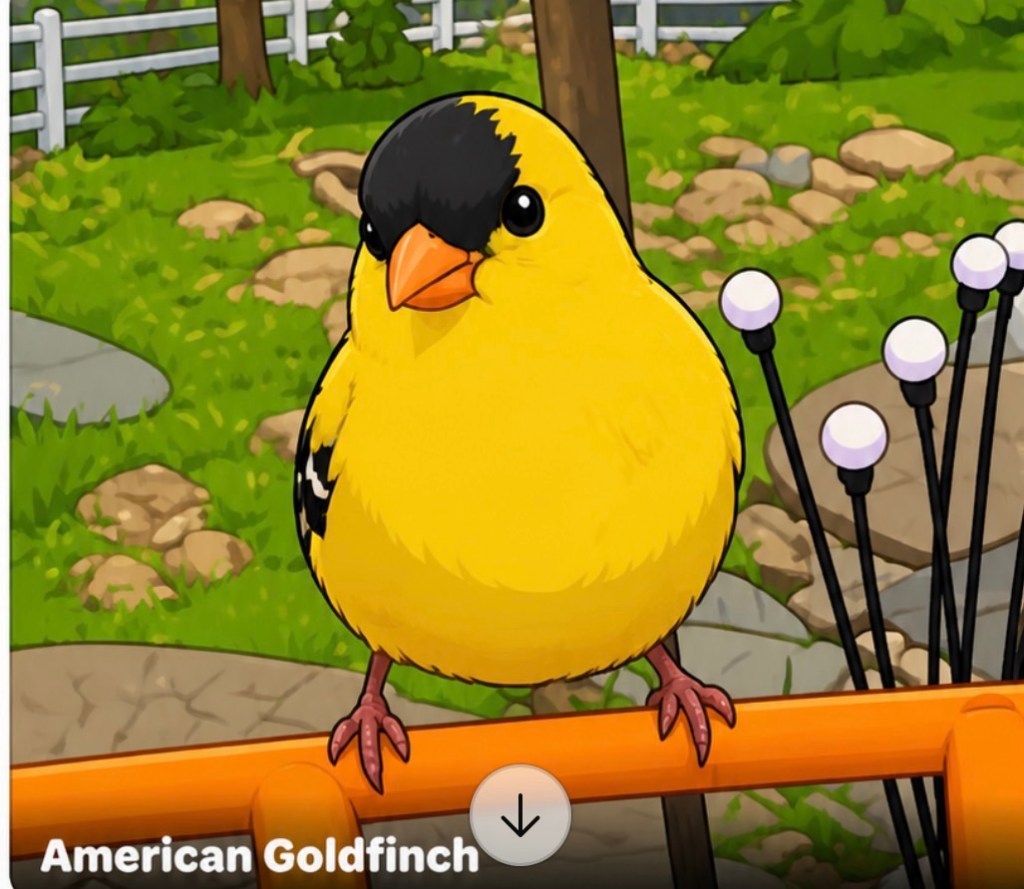
Spotting a bright yellow American Goldfinch can feel like a little burst of sunshine in your day—and for many people, it carries a deeper meaning beyond its beauty. Across cultures, spirituality, and even personal reflection, the golden finch is often seen as a powerful symbol of positivity, resilience, and transformation.

A Symbol of Joy and Light

The golden finch’s vibrant yellow feathers are closely associated with sunlight, warmth, and happiness. When this bird appears, it’s often interpreted as a reminder to embrace joy—even in small, everyday moments. Its presence can feel like encouragement to shift your mindset toward gratitude and optimism.

Many believe that seeing a golden finch is a gentle nudge to let go of heaviness and reconnect with what brings you peace and happiness.

Renewal and Transformation

Golden finches undergo seasonal changes in color, becoming brighter in the spring and summer. Because of this, they are often linked to renewal and personal growth. Seeing one may symbolize that you are entering a new phase in life—one where growth, healing, or transformation is unfolding.

If you’ve been going through a challenging period, a golden finch sighting can feel like a sign that change is coming and brighter days are ahead.

Resilience and Adaptability

Despite their delicate appearance, golden finches are hardy birds that adapt well to different environments. Spiritually, this translates into a message of resilience. Their presence may be reminding you that you have the strength to navigate life’s challenges, even if things feel uncertain.

It’s a quiet but powerful symbol: you are more capable than you think.

Connection to Freedom

Golden finches are free-spirited and energetic, often seen fluttering and bouncing through fields and gardens. This behavior has led many to associate them with freedom and independence. Seeing one could be a sign to release what’s holding you back—whether that’s fear, doubt, or outdated beliefs.

It’s an invitation to move forward more freely and confidently.

Spiritual and Cultural Meanings

In some traditions, birds are seen as messengers, and the golden finch is no exception. Its appearance can be interpreted as a spiritual sign—sometimes even a message from a loved one or a reminder that you are being guided and supported.

In art and history, the goldfinch has also been associated with hope, healing, and even protection.

What It Means for You

The meaning of seeing a golden finch can be deeply personal. Ask yourself:

  • What was I thinking or feeling when I saw it?
  • Am I going through a period of change or growth?
  • Do I need a reminder to focus on joy or let go of something?

Often, the significance lies not just in the sighting itself, but in how it resonates with your current life experience.

Final Thoughts

A glimpse of a golden finch is more than just a beautiful moment in nature—it can be a meaningful symbol of hope, renewal, and inner strength. Whether you see it as a spiritual sign or simply a reminder to slow down and appreciate the present, its message is clear: light, joy, and transformation are always within reach.

https://amzn.to/4tdPgPi

https://amzn.to/4cTyzlO

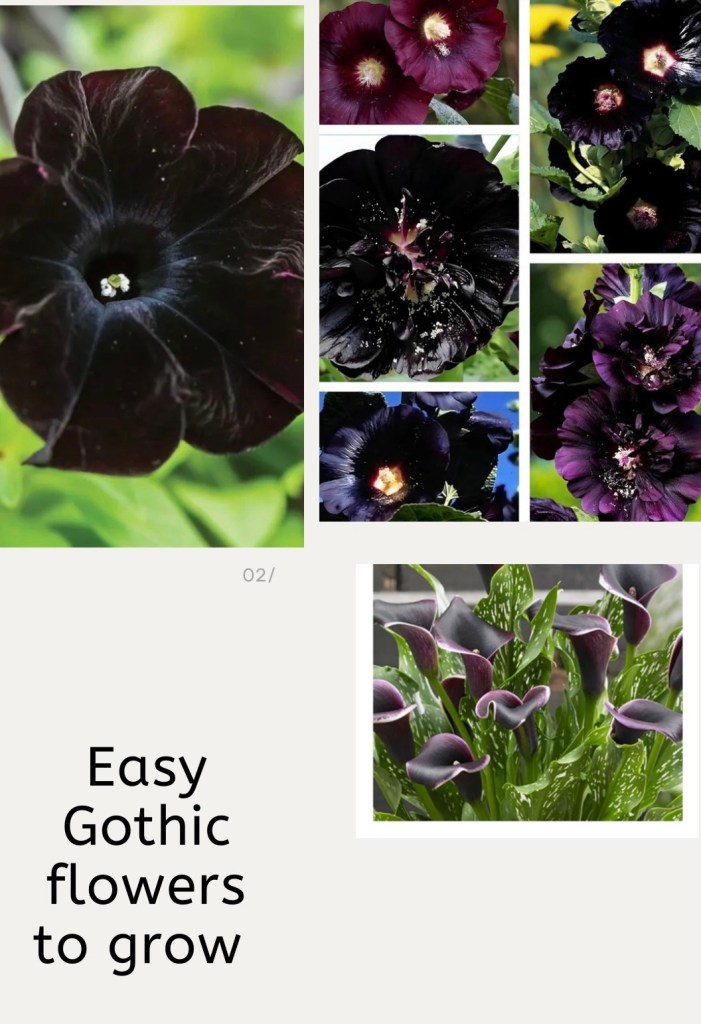
Gothic Flowers: Beauty in the Shadows

There’s something irresistibly captivating about flowers that don’t fit the cheerful, sunlit mold. Gothic flowers—dark, moody, and steeped in symbolism—invite us into a different kind of garden. One where beauty coexists with mystery, where petals whisper of romance, decay, and rebirth.

The Allure of Darkness

Traditional florals celebrate brightness: pastel roses, sunny daisies, vibrant tulips. Gothic flowers, by contrast, lean into deeper tones—velvety blacks, bruised purples, blood reds, and smoky blues. These hues evoke emotion in a more complex way. They’re not just pretty; they’re haunting.

Black roses, though often dyed, symbolize farewell or tragic love. Deep burgundy dahlias suggest inner strength and transformation. Even something as delicate as a dark calla lily carries an air of elegance tinged with melancholy. Gothic florals don’t shy away from the heavier side of human experience—they embrace it.

Symbolism Rooted in Emotion

The gothic aesthetic has always been tied to themes of mortality, passion, and the sublime. Flowers play a powerful role in that language.

  • Dark roses: love, loss, and endings
  • Purple lilies: spirituality and grief
  • Black tulips: mystery and uniqueness
  • Dried flowers: the passage of time and memory

In gothic arrangements, even decay becomes part of the story. Wilted petals and dried stems aren’t flaws—they’re reminders that beauty doesn’t vanish, it evolves.

Styling Gothic Florals

Creating a gothic floral arrangement is about more than just choosing dark flowers. It’s about mood and contrast.

Start with a base of deep-toned blooms—think nearly black roses, dark peonies, or maroon chrysanthemums. Layer in texture with dried elements like eucalyptus, thistles, or even bare twigs. Contrast is key: pale accents like ivory orchids or dusty gray foliage can make darker elements stand out dramatically.

Containers matter too. Vintage vases, matte black ceramics, or antique silver vessels enhance the aesthetic. The goal isn’t perfection—it’s atmosphere.

Gothic Gardens and Everyday Spaces

You don’t need a full gothic garden to enjoy the look. A single arrangement on a table, a wreath on a door, or even pressed dark flowers in a frame can bring that moody elegance into your space.

For those who want to go further, consider planting a gothic-inspired garden. Choose flowers in deep shades, mix in plants with dark foliage, and incorporate elements like stone, wrought iron, or weathered wood. The result feels timeless—almost like stepping into another era.

Why Gothic Flowers Endure

In a world that often pushes brightness and positivity, gothic flowers offer something different: honesty. They reflect the full spectrum of emotion, not just the lightest parts. There’s comfort in that. A quiet reminder that darkness and beauty aren’t opposites—they’re partners.

Gothic flowers don’t just decorate a space. They tell a story. One that lingers a little longer, feels a little deeper, and blooms—quietly—in the shadows.

gothic flower aesthetic ideas for home decordark floral arrangements for gothic style homesmoody flower bouquet ideas for photographyblack and deep red flower arrangement inspirationgothic wedding flower ideas dark romantic themevintage gothic floral decor inspiration

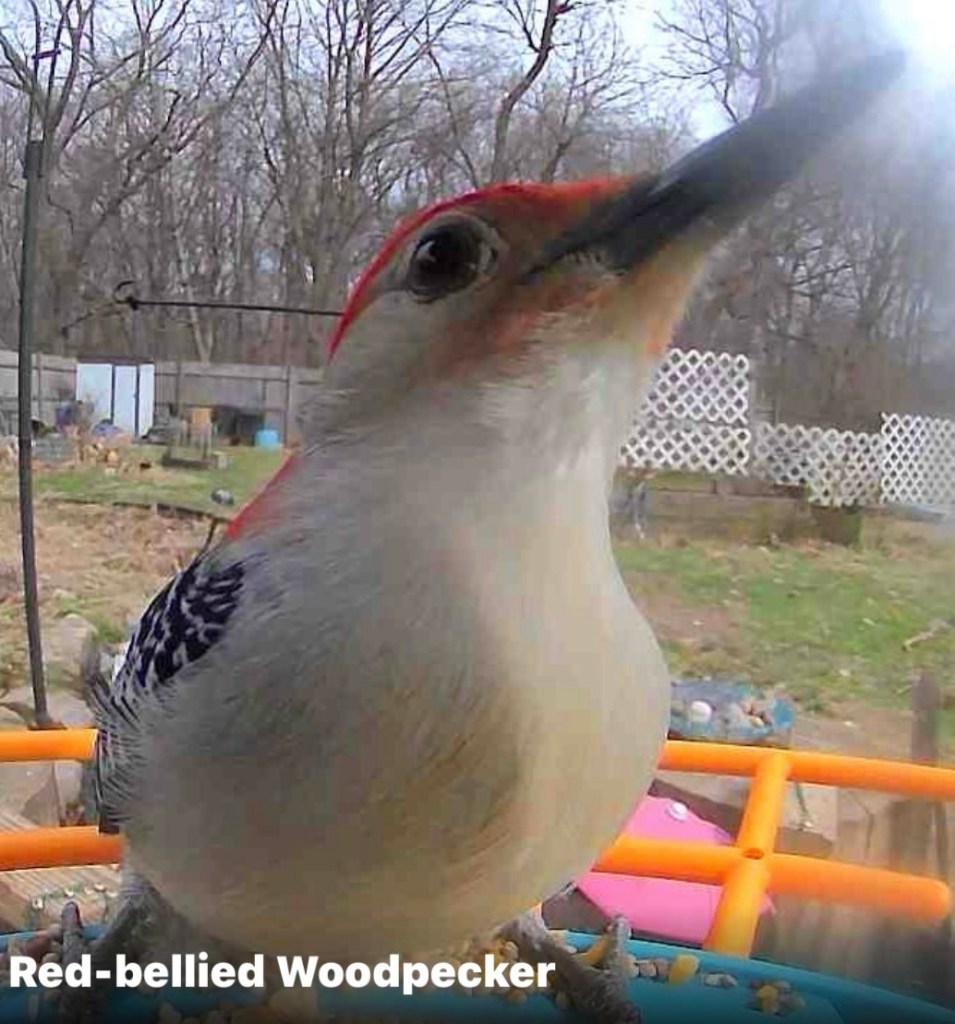
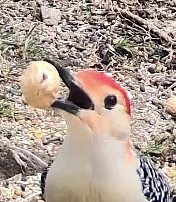
My love of the Red-bellied Woodpecker

Red-bellied Woodpecker

https://youtu.be/bvuixnFhOJg?feature=shared

Getting a Red-bellied Woodpecker at your feeder is like having a tiny, feathered prehistoric visitor drop by for lunch. Despite the name—which often confuses people because the brilliant red on their head is much more obvious than the faint blush on their belly—they are one of the most charismatic guests you can host.

If you’ve recently spotted one of these striking birds at your setup, here’s a look at what makes them so special and how you can keep them coming back.

The “Wait, That’s Not a Red-headed Woodpecker?” Moment

It’s the most common mix-up in birding. You see a bird with a bright red crown and nape and think, “Aha! A Red-headed Woodpecker.”

Actually, the Red-bellied Woodpecker has a beautifully “zebra-striped” (barrred) back and only a cap or stripe of red. The Red-headed Woodpecker, by contrast, has a completely solid crimson head. As for that “Red-bellied” name? If the light hits them just right, you’ll see a pale, rosy wash on their lower abdomen, but they certainly don’t make it easy to spot!

Why They’re the Life of the Party

Watching a Red-bellied at the feeder is pure entertainment. They don’t just “zip” in like a Chickadee; they land with a solid thump and a sense of authority.

  • The Look: Their jerky, hitching movements as they climb a feeder pole are classic woodpecker. They use their stiff tail feathers like a tripod to brace themselves against the wood.
  • The Sound: If you hear a loud, rolling churr-churr-churr from the trees before a bird even arrives, that’s your Red-bellied announcing its entrance.
  • The Strategy: They are incredibly efficient. You’ll often see them grab a large sunflower seed or a chunk of suet and fly off to a nearby tree to “cache” it (hide it) in the bark for later.

How to Keep Them Coming Back

Red-bellied Woodpeckers are year-round residents in many areas, so once you win them over, you likely have a friend for all seasons. Here is their “five-star menu”:

  1. Suet is King: High-energy suet cakes (especially those with peanuts or mealworms) are their absolute favorite.
  2. Peanuts: They love whole peanuts (in the shell or out). Watching them try to wedge a whole peanut into a crevice to crack it open is a backyard highlight.
  3. Black Oil Sunflower Seeds: A staple that they’ll happily pick through.
  4. Tail-Prop Feeders: If you’re buying a suet feeder, look for one with a “tail prop”—a long piece of wood extending below the cage. It helps these larger woodpeckers balance comfortably while they eat.

A Backyard Connection

There’s something grounding about seeing the same Red-bellied Woodpecker return day after day. It’s a reminder that even in our busy lives, there’s a wild, rhythmic world happening right outside the window.

Next time you see those zebra stripes landing on your feeder, grab your binoculars, stay still, and enjoy the show.

If you love them as much as I do, then check out my YouTube of all my backyard friends. Like and subscribe

https://youtu.be/bvuixnFhOJg?feature=shared

Your Daily Dose of Nature: Live From the Birdfeeder Cam

Whether you’re a lifelong birder or just someone who enjoys a little bit of backyard drama, you’re going to want to see what’s happening on my birdfeeder.

I’ve officially set up a high-definition birdfeeder camera, and let’s just say the local birds are more than ready for their close-ups. From the frantic morning rush of the Chickadees to the “main character energy” of the Blue Jays, there is never a dull moment.

Why you should tune in:

  • The Best Seat in the House: Get a bird’s-eye view (literally) of species you usually only see from a distance.
  • Backyard Drama: You wouldn’t believe the territorial disputes that go down over a few sunflower seeds!
  • Zen Moments: Sometimes it’s just peaceful to watch a Cardinal enjoy a quiet snack in 4K.

I’m posting regular highlights, slow-motion captures of mid-air acrobatics, and even some nighttime visitors on my YouTube channel.

👉  https://youtube.com/@totsbirdseyeview?si=w4lxMUlPEyDUoRnz

Head over, hit the subscribe button, and turn on notifications so you don’t miss a single feathered guest. It’s like having a nature documentary running in your backyard 24/7.

See you there!

 High-definition bird camera, bird behavior close-up, wild birds in slow motion, backyard bird identification.

Easy-to-Grow Wildflowers: A Beginner’s Guide to Effortless Beauty

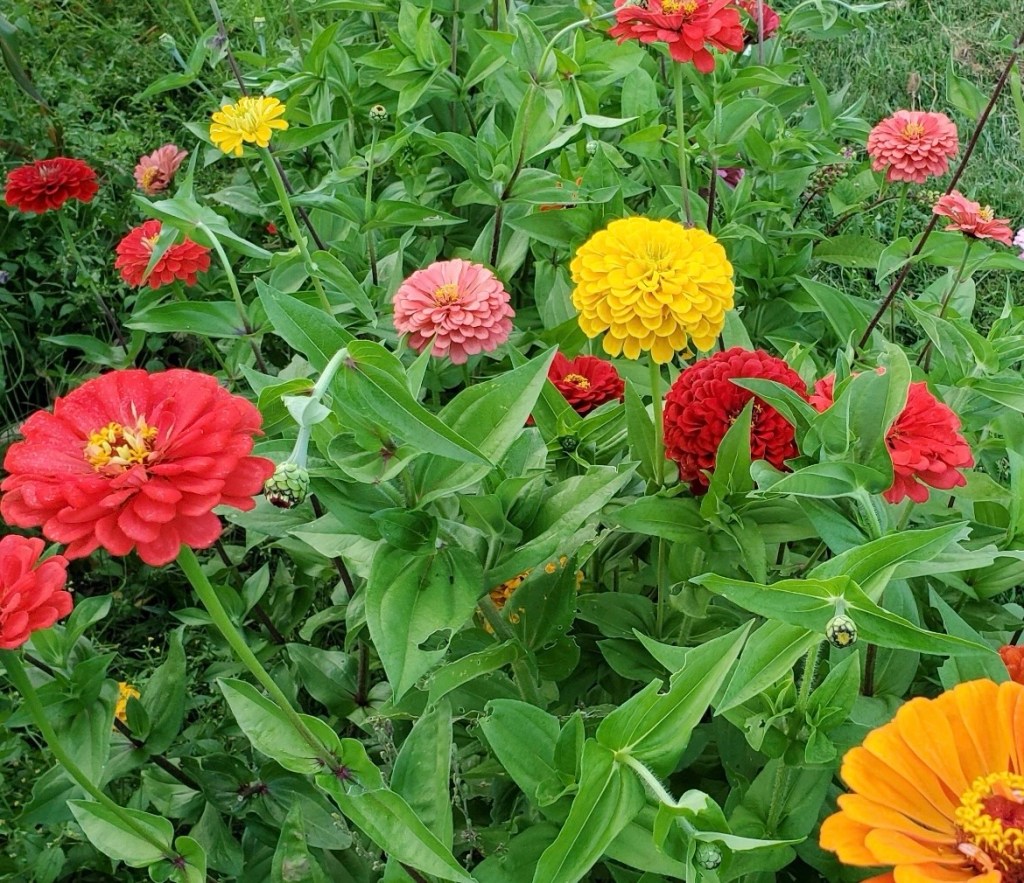
Zinnia’s

If you’ve ever admired a field of wildflowers swaying in the breeze, you might assume that kind of natural beauty takes years of effort to achieve. In reality, many wildflowers are surprisingly easy to grow—even for beginners. With minimal care, the right seeds, and a bit of patience, you can transform a patch of soil into a vibrant, pollinator-friendly oasis.

Why Choose Wildflowers?

Wildflowers are not only beautiful, but they’re also practical. Unlike many cultivated garden plants, they tend to be hardy, adaptable, and low-maintenance. They often require less watering, fewer fertilizers, and minimal attention once established. Plus, they attract bees, butterflies, and other beneficial insects, supporting local ecosystems.

Top Easy-to-Grow Wildflowers

1. Black-Eyed Susan (Rudbeckia hirta)
These cheerful yellow flowers with dark centers are a staple in many wildflower gardens. They thrive in full sun and tolerate poor soil, making them ideal for beginners.

2. California Poppy (Eschscholzia californica)
Known for their vibrant orange blooms, California poppies are drought-tolerant and grow quickly from seed. They prefer sunny spots and well-drained soil.

3. Cornflower (Centaurea cyanus)
Also called bachelor’s buttons, cornflowers produce striking blue blossoms and are incredibly easy to grow. They can handle a variety of soil conditions and often reseed themselves.

4. Cosmos (Cosmos bipinnatus)
Cosmos are delicate-looking but surprisingly tough. They bloom in shades of pink, white, and purple, and thrive in poor soil with lots of sunlight.

5. Blanket Flower (Gaillardia)
With their warm red and yellow tones, blanket flowers bring a burst of color to any garden. They are heat-tolerant and bloom for long periods with little care.

Getting Started

Choose the Right Location
Most wildflowers prefer full sun, so pick a spot that gets at least 6–8 hours of sunlight daily.

Prepare the Soil
Wildflowers don’t need rich soil, but removing weeds and loosening the top layer helps seeds take root more easily.

Sow Seeds Simply
Scatter seeds evenly over the soil and lightly press them in—no need to bury them deeply. Water gently after planting.

Water Wisely
Keep the soil moist until seedlings are established. After that, many wildflowers can handle dry conditions.

Tips for Success

  • Don’t over-fertilize—wildflowers prefer lean soil.
  • Mix different species for a longer blooming season.
  • Allow some flowers to go to seed to encourage natural reseeding.
  • Be patient—some varieties take a little time to establish but will reward you year after year.

Final Thoughts

Growing wildflowers is one of the simplest ways to bring color, life, and biodiversity into your outdoor space. Whether you have a large yard or just a small patch of soil, these resilient plants can create a stunning display with minimal effort. Start small, experiment with a few varieties, and enjoy watching nature do the rest.

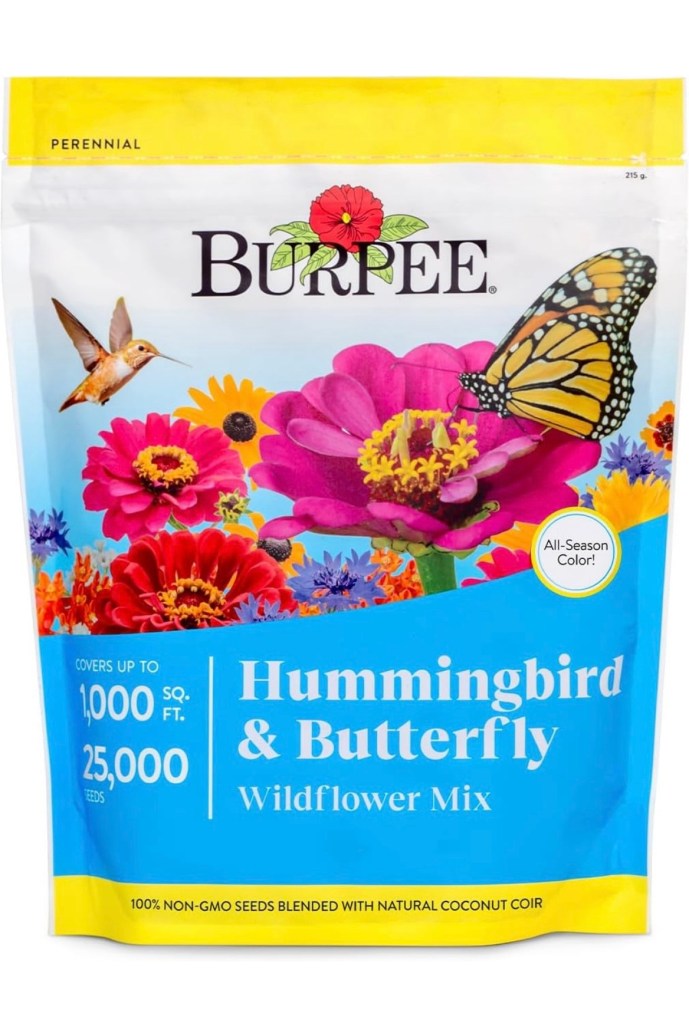
Check out my favorite seeds

https://amzn.to/48UCIVv

https://amzn.to/41Q44Zb

https://amzn.to/4sVazVA

My YouTube for my backyard birds Totsbirdseyeview

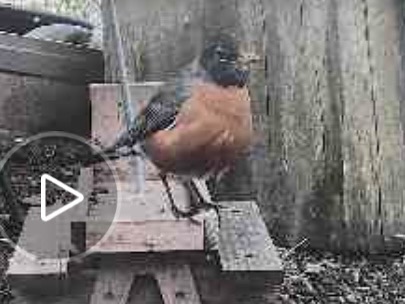
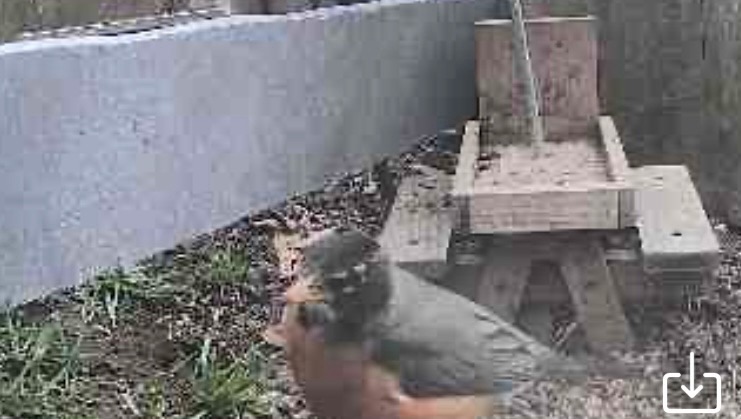
A robin at my feeder

If you’ve ever paused mid-sip of coffee because a flash of wings caught your eye, you’re not alone. Backyard birds have a way of turning ordinary moments into something quietly magical. Over time, what started as a casual glance out the window became a daily ritual for me—watching, learning, and appreciating the small dramas and routines unfolding just outside my door.

That curiosity eventually grew into something more. I began documenting the birds that visit my yard—their colors, calls, habits, and even their quirky personalities. Some are bold and demanding, others shy and fleeting. Together, they create a constantly changing scene that’s surprisingly calming to observe.

To share that experience, I started a YouTube channel dedicated entirely to my backyard birds. There, you’ll find close-up footage of different species, peaceful clips of birds feeding and interacting, and moments you might otherwise miss if you blink. Whether you’re already a bird enthusiast or just looking for a relaxing escape from your day, the channel offers a small window into nature’s rhythm.

If that sounds like something you’d enjoy, I’d love for you to check it out. Grab a cup of coffee, take a few minutes, and step into the world just beyond my back door. You might be surprised how quickly you start recognizing familiar visitors—and maybe even feel inspired to watch the birds in your own backyard a little more closely. Click the link below to see my channel. If you like birds and nature like I do please like and subscribe

https://youtube.com/@totsbirdseyeview?si=alJUvKCYvuskRvQB

Top 10 seeds to attract birds

Transforming your backyard into a bustling bird sanctuary is easier than you think—it all comes down to what you put in your feeders. Not all seeds are created equal, and some are far more effective at inviting colorful visitors than others.

Here are the top 10 bird seeds and foods for attracting the widest variety of birds, based on nutritional value and popularity among feathered friends.

1. Black Oil Sunflower Seed

Best for: Everyone! Chickadees, cardinals, nuthatches, finches, and woodpeckers.
The absolute #1 seed for your feeder. It has a high-fat content and thin shells that are easy for small birds to crack.

2. Safflower Seed

Best for: Cardinals, chickadees, titmice, and grosbeaks.
Cardinals love it, but squirrels typically do not. It’s the perfect choice to keep gray “feeder hogs” away.

3. Nyjer (Thistle) Seed

Best for: Goldfinches, Pine Siskins, and Redpolls.
A tiny, high-energy seed that requires special mesh feeders or “thistle socks” to prevent waste.

4. White Proso Millet

Best for: Ground feeders like Sparrows, Doves, Juncos, and Towhees.
If you prefer a mix, ensure it is high in white millet. It is often wasted by perching birds but beloved by those that feed on the ground.

5. Shelled/Hulled Sunflower Seeds

Best for: A wide variety of birds (and for reducing mess).
Because there is no shell to crack, a greater variety of birds can eat this, and it leaves zero mess under the feeder. Note: It spoils faster than shelled seed.

6. Peanuts (Shelled or Unshelled)

Best for: Woodpeckers, Blue Jays, Chickadees, and Titmice.
Packed with protein and fat. Blue Jays love peanuts in the shell, while shelled peanuts are great for smaller birds.

7. Suet

Best for: Woodpeckers, Nuthatches, Chickadees, and Wrens.
Suet is beef fat, providing necessary energy, especially in winter. It attracts insect-eating birds that might not visit a standard seed feeder.

8. Cracked Corn

Best for: Doves, Jays, Quail, and Sparrows.
Inexpensive and popular, but it must be kept dry or it will mold quickly.

9. Mealworms

Best for: Bluebirds, Robins, Chickadees, and Cardinals.
Not a seed, but one of the best ways to attract birds that don’t eat seeds, such as bluebirds.

10. Striped Sunflower Seed

Best for: Larger birds like Cardinals and Blue Jays.
These have a thicker shell than black oil sunflower, making them harder for small birds to crack but perfect for bigger beaks.


Tips for Success

  • Avoid “Filler” Seeds: Avoid cheap blends that contain high amounts of milo, wheat, or rapeseed. Birds often discard these, leading to wasted money and a mess in your yard.
  • Use Proper Feeders: Use tube feeders for sunflower, mesh socks for thistle, and suet cages for suet.
  • Clean Up: To prevent attracting rodents, clean up discarded hulls regularly or switch to hulled seeds.

Click the link to see my favorite seeds.. *affiliate link earns commission

https://mave.ly/tots-birds-eye-view/post/walmart-bird-watching-essentials
Comfortable and affordable shoes

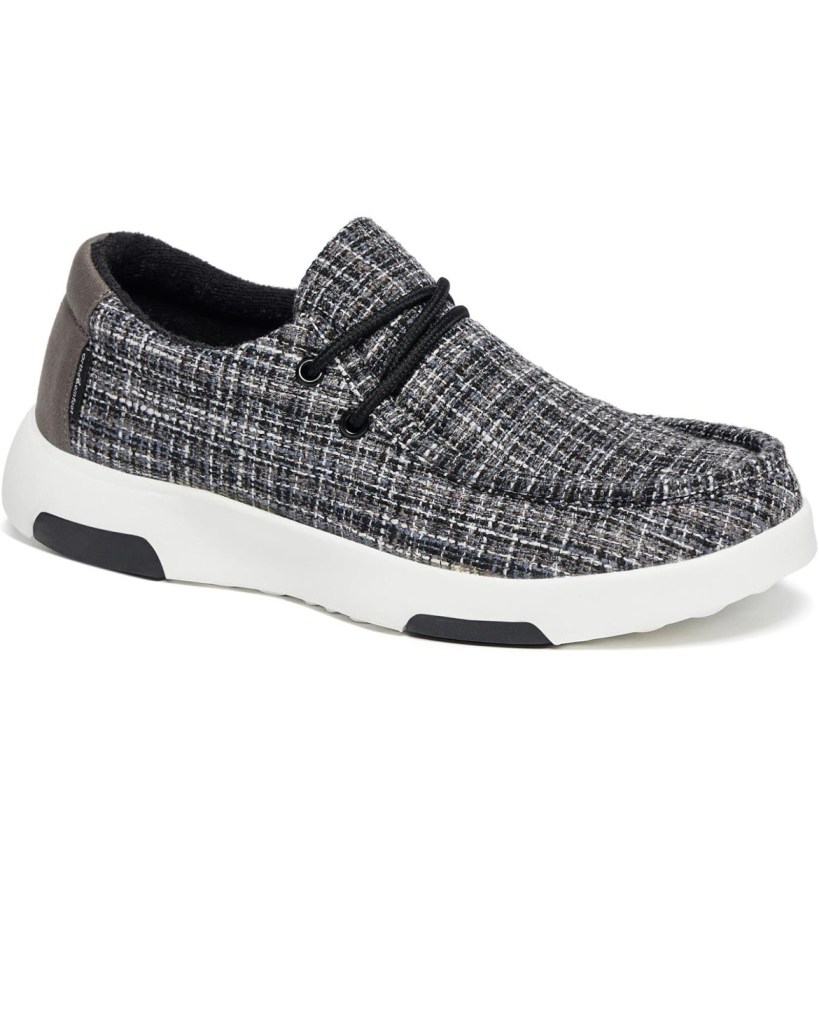
Orthocomfoot women’s orthopedic slip on shoe

I traveled recently and wore 2 pairs of the shoes that I highly recommend for anyone with foot pain like me. The first pair was Fitflop super Q sneaker, that I got on sale at Walmart. I wear a size 10, have wide feet and an old injury to my right foot that sometimes acts up and need to go up a size. I got these in my normal size. Comfy toebox, no rubbing on the back of my ankle. Overall a very good show. I walked a lot and traveled thru 2 airports with these on and my feet did not hurt at the end of the day.

Fit flop

The second pair I got on Amazon for under 40 bucks. These are slip on boat like shoe style, with a little plaid design. Looks really cute with jeans. I can feel the arch support with these, the toe box is a little tight, but I’m sure after I break them in, they will be comfy. Like the fitflop, they did not rub against my ankles. I wore these thru three large airports, took over 10K steps and my feet were happy. I highly recommend both shoes to anyone who has planter fasciitis or other foot problems.

Fitflop:

https://mavely.app.link/e/TcGTFoJK5Wb

Orthocomfoot: https://amzn.to/3VIPhwg

My affiliate link earns me a small commission

Soft Colored Nails: The Subtle Trend Taking Over This Fall

When the crisp air of fall arrives, many of us reach for rich, moody nail colors—burgundy, deep green, chocolate brown. But this year, there’s a softer trend making waves: soft colored nails. Think muted mauves, creamy beiges, dusty roses, and pale pumpkins. These gentle hues are cozy, elegant, and effortlessly chic.

If you’re looking for a fresh yet timeless way to update your nails this season, soft tones are the perfect solution.


Why Soft Colored Nails Are Perfect for Fall

Fall fashion is all about layering textures and tones—and soft nails are the perfect complement. Here’s why these subtle shades are having a moment:

  • ✅ Versatile: They pair beautifully with everything from chunky knits to tailored coats.
  • ✅ Low Maintenance: Chips and regrowth are less noticeable with light, natural shades.
  • ✅ Timelessly Chic: These colors won’t clash with bold makeup or accessories.
  • ✅ Perfect for Any Occasion: Whether you’re heading to the office or a cozy brunch, soft nails suit the vibe.

Top Soft Nail Colors for Fall 2025

Looking for inspiration? These are our favorite muted tones for autumn:

1. Dusty Rose

A romantic, vintage pink with gray undertones. Feminine without being overly sweet.

2. Sage Green

Earthy, calming, and unexpected. A perfect match for fall foliage.

3. Creamy Beige

Minimalist and clean. A go-to neutral that flatters every skin tone.

4. Muted Terracotta

A softened orange-brown that brings warm, spicy energy without being too bold.

5. Pale Mauve

Cool-toned and dreamy—this subtle purple hue adds an elegant twist.


Soft Nail Art Ideas

Want to elevate your look? Try adding these subtle designs:

  • 🌿 Tiny botanical accents in white or gold
  • 🌀 Swirls and waves in tonal shades for a soft abstract look
  • ✨ Matte topcoat for a velvet finish
  • 🐚 Micro pearls or minimalist metallic lines for texture

Tips for the Perfect Soft Nail Look

  • Use a high-quality base coat to prevent staining and promote smooth application.
  • For pale shades, apply 2–3 thin coats for an even, professional look.
  • Seal with a gel-like topcoat for extra shine and longevity.

Final Thoughts

Soft colored nails are proof that you don’t need bold shades to make a statement. Understated and graceful, they offer a quiet confidence that’s perfect for the cozy, reflective vibe of fall.

So next time you’re at the salon—or doing your nails at home—reach for something subtle. Because sometimes, less really is more.

Pale mauve

https://amzn.to/46vMrj2

https://mavely.app.link/e/m20Ft4gLOWb

Muted terracotta

https://amzn.to/4nJQbok

https://amzn.to/4nnpZzV

https://mavely.app.link/e/zNdaMbyLOWb

Dusty pinks

https://mavely.app.link/e/RJfJTcCLOWb

https://mavely.app.link/e/BMwtUsFLOWb